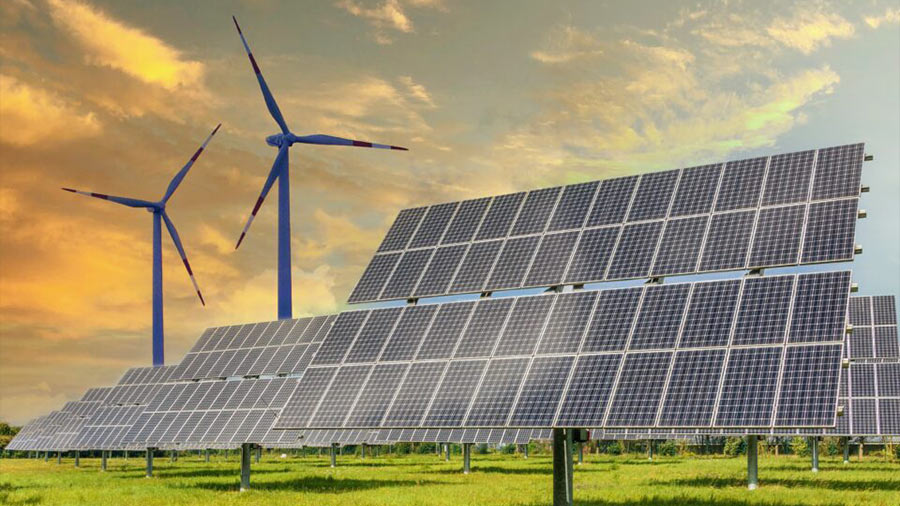
ZeroC’s Hybrid energy solution combines solar power, a battery energy storage system (BESS) and energy management software (EMS). Solar output peaks at midday, while peak hours under Decision 963/QD-BCT run from 5:30 to 10:30 pm. A Hybrid system stores daytime energy and releases it in the evening, giving businesses control over their power supply and lower costs. Wind power is added where site conditions allow.
Store midday solar and discharge it between 5:30 and 10:30 pm.
Charge during off-peak hours (midnight–6 am) and discharge when prices are highest.
Flattens short load spikes and eases substation strain as production grows.
Keeps critical loads running during grid outages when designed with backup mode.
EMS software decides when to charge and discharge based on tariffs and load.
Lithium iron phosphate (LFP) batteries with integrated thermal management and fire suppression, designed to fire-safety regulations.
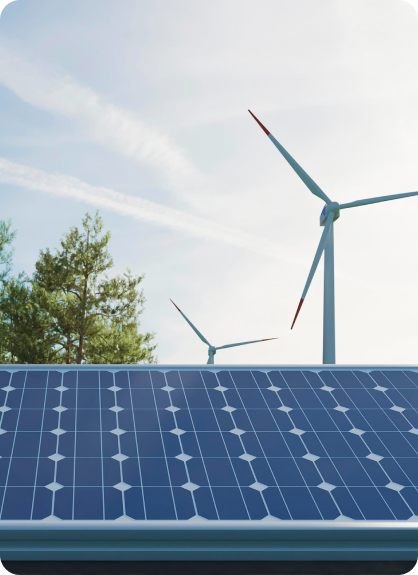
An effective Hybrid system is designed from real load data and actual electricity tariffs.
Solar generation, a BESS battery system, power conversion (PCS/hybrid inverter), EMS energy-management software and remote monitoring. Wind is added where conditions allow.
Yes. ZeroC reviews the existing inverters and electrical system, then proposes a suitable integration.
LFP batteries have high thermal stability. Commercial systems include battery management, cooling and integrated fire suppression, and are sited and designed to fire-safety regulations.
No. Most Hybrid systems for factories are solar plus storage; wind is added only where the site has a strong wind resource.
Commercial LFP batteries are typically designed for thousands of charge–discharge cycles, roughly 10–15 years of operation depending on use. Actual lifetime depends on daily cycles, depth of discharge and operating temperature; warranty terms are set by the manufacturer.
Load and tariff analysis; battery sizing and charge strategy design; integration with solar and the existing electrical system; and, with partners, delivery, operation and ongoing optimisation.
© 2026 ZEROC.VN – All Rights Reserved.