There is a transformation happening in global trade—silent but powerful enough to reshape entire supply chains. It is not as loud as a financial crisis, nor as explosive as a new technological wave. But if Vietnamese businesses ignore it, the consequence could be lost orders, lost markets, and ultimately exclusion from the game.
This transformation is called: Net Zero.
For many years, Net Zero was seen as an environmental commitment, more suitable for sustainability reports than business strategy. But now, carbon has become a commercial criterion. And for Vietnam—an economy heavily dependent on exports—this is no longer an image choice, but a survival requirement.
When the market starts “pricing carbon”
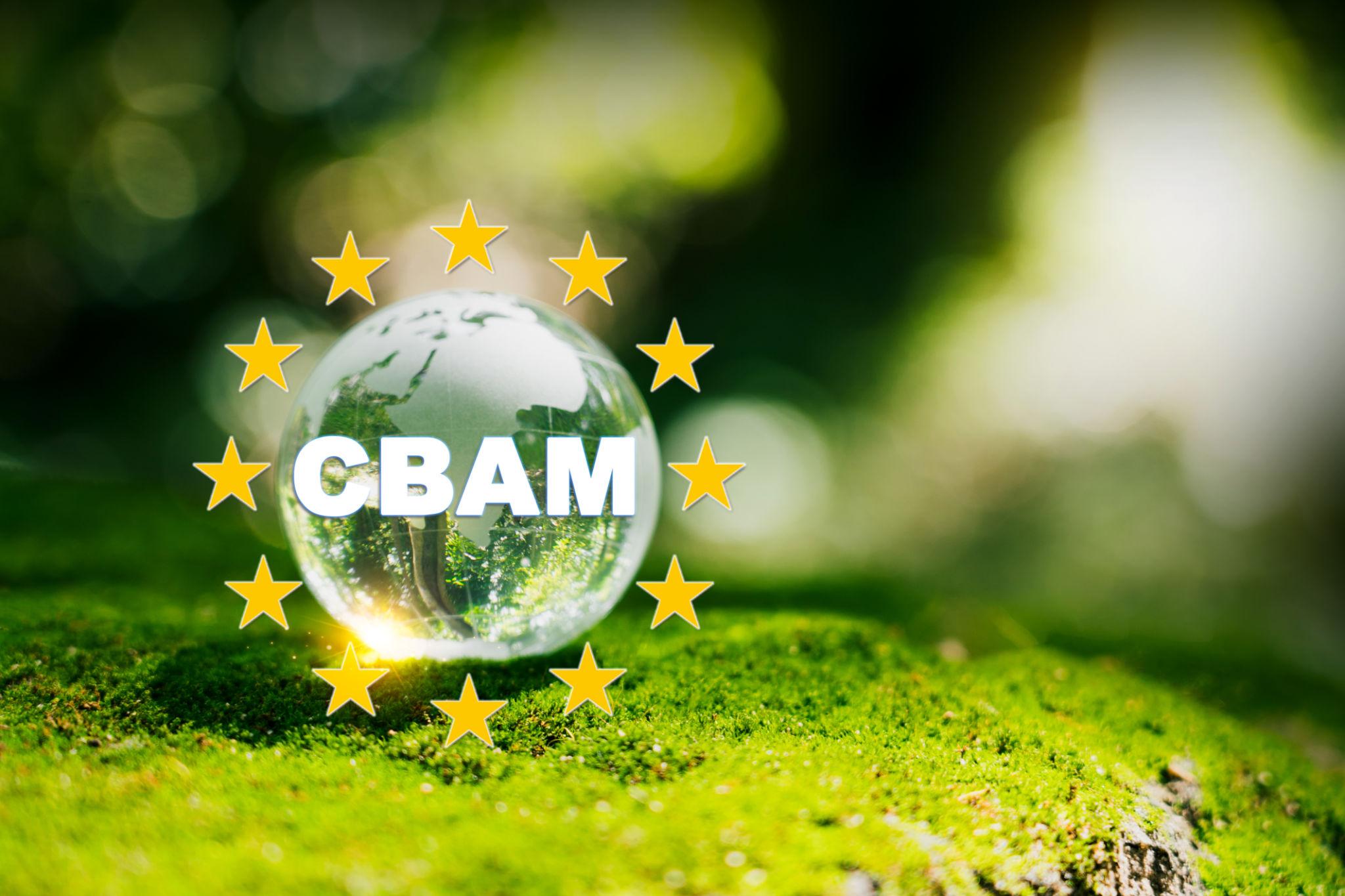
The Carbon Border Adjustment Mechanism of the European Union (CBAM) has officially turned emissions into a factor that directly affects product costs.
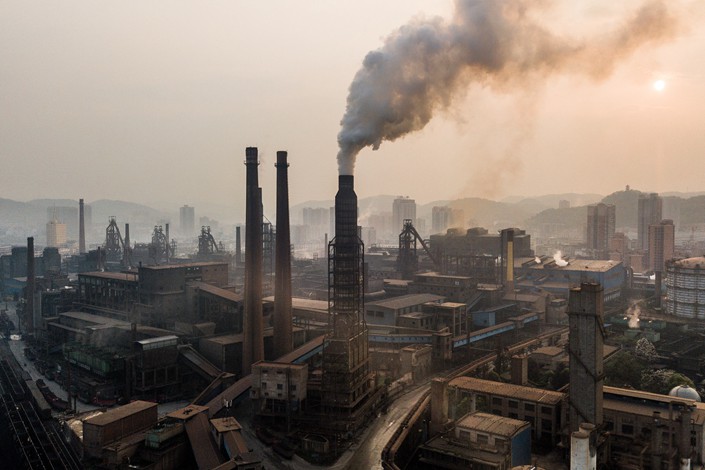
This means that when a shipment of steel, cement, or aluminum is exported to Europe, the embedded carbon emissions during production will be calculated. If emissions are high and data is not transparent, businesses may have to pay additional carbon costs. In industries with already thin margins, this cost can erase competitiveness.
More importantly, CBAM is not an isolated policy. It is the beginning of a trend where major markets integrate carbon into trade regulations. Once standards are established, the rules of the game change.
Global supply chains are tightening standards
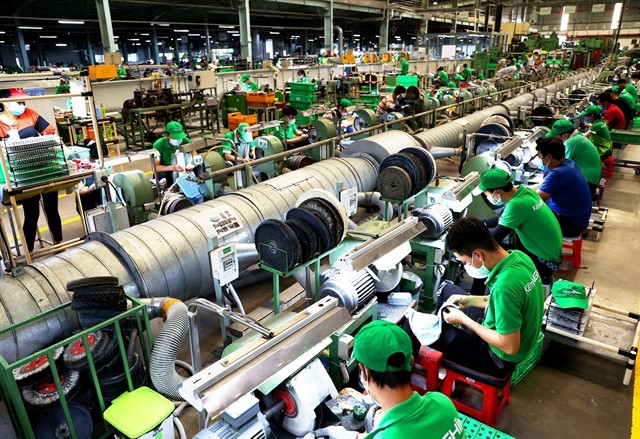
Global corporations are not only reducing emissions internally—they are requiring their entire supply chains to transition.
Apple Inc. sets the goal of carbon neutrality across its entire value chain. Nike, Inc. requires suppliers to disclose and reduce emissions. This means even a factory in Binh Duong or Dong Nai—doing only a small processing step—must participate in carbon measurement.
It starts with surveys.
Then periodic reporting.
Then supplier comparisons.
And finally, orders shift toward businesses with transparent data and clear emission reduction plans.
Being excluded from the supply chain does not happen loudly. It happens when a business realizes it is no longer on the priority list.
Carbon is becoming a financial variable

Banks and investment funds are increasingly integrating ESG criteria into lending decisions. High-emission businesses without transition plans are seen as long-term risks—legal risk, market risk, and energy cost risk.
As risk increases, cost of capital rises. Conversely, businesses with clear Net Zero strategies can access green finance with better conditions.
Carbon, in practical terms, is being converted into money.
From pressure to action: the industrial energy challenge
For most manufacturing businesses, emissions mainly come from electricity and fuel consumption. Therefore, Net Zero is directly tied to the energy equation.
Reducing emissions is not only about planting trees or buying carbon credits. It requires restructuring how energy is used and generated in factories and industrial zones.
In Vietnam, more companies are shifting toward rooftop solar and integrated clean energy solutions. This is not just an environmental choice, but a long-term economic strategy: reducing electricity costs, stabilizing energy prices, and improving emission profiles.
In this context, ZeroC – Practical renewable energy solutions for industrial Net Zero becomes an important link in the transition journey.
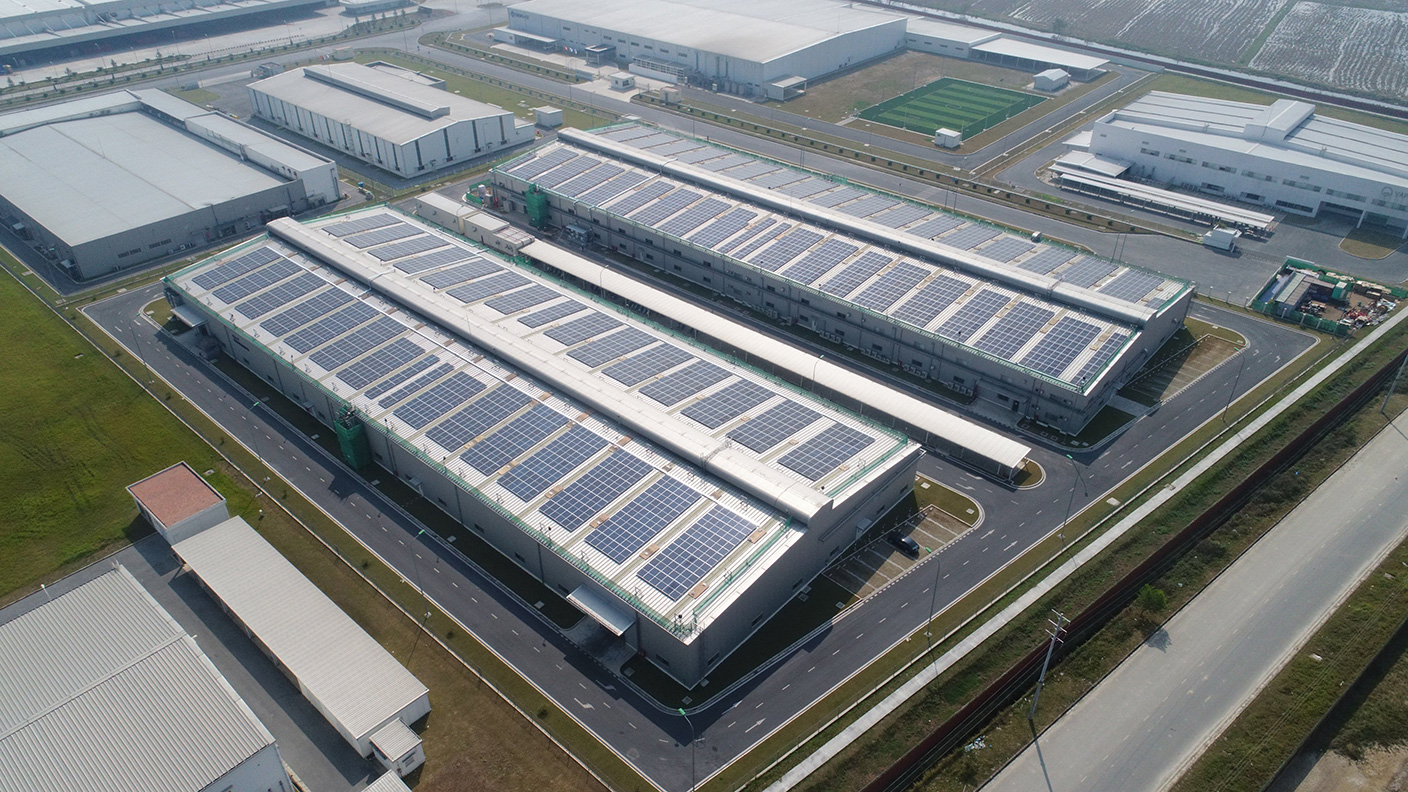
ZeroC provides integrated solar and clean energy solutions for industrial zones, factories, and commercial buildings in Vietnam. Beyond installation, the solution focuses on energy measurement and optimization—critical for emission reporting to international partners.
When properly designed, renewable energy helps businesses:
- Reduce long-term operating costs
- Optimize electricity consumption during peak hours
- Demonstrate transparent emission reduction
Net Zero is no longer an abstract slogan—it becomes a measurable action plan.
Those who move first gain advantage
The transition to a low-carbon economy will not happen in one year, but once it starts, the speed will accelerate quickly.
Businesses that invest early in clean energy, build emission tracking systems, and integrate Net Zero into long-term strategy will gain advantages in contracts, capital access, and market expansion.
Those who are late may pay with market share.
Net Zero is not only an environmental goal—it is a condition for participating in global value chains.
And in a world increasingly pricing carbon, the question is no longer “should we do it?”, but:
If we don’t act now, how many opportunities will we lose in the next 5–10 years?
ZeroC Contact Information
Practical renewable energy solutions for industrial Net Zero
Website: https://zeroc.vn
Address: 77 Street 10, Nam Long Residential Area, Tan Thuan Ward, Ho Chi Minh City, Vietnam
Customer service: +84 (0) 28 7778 6168 – Ext: 287