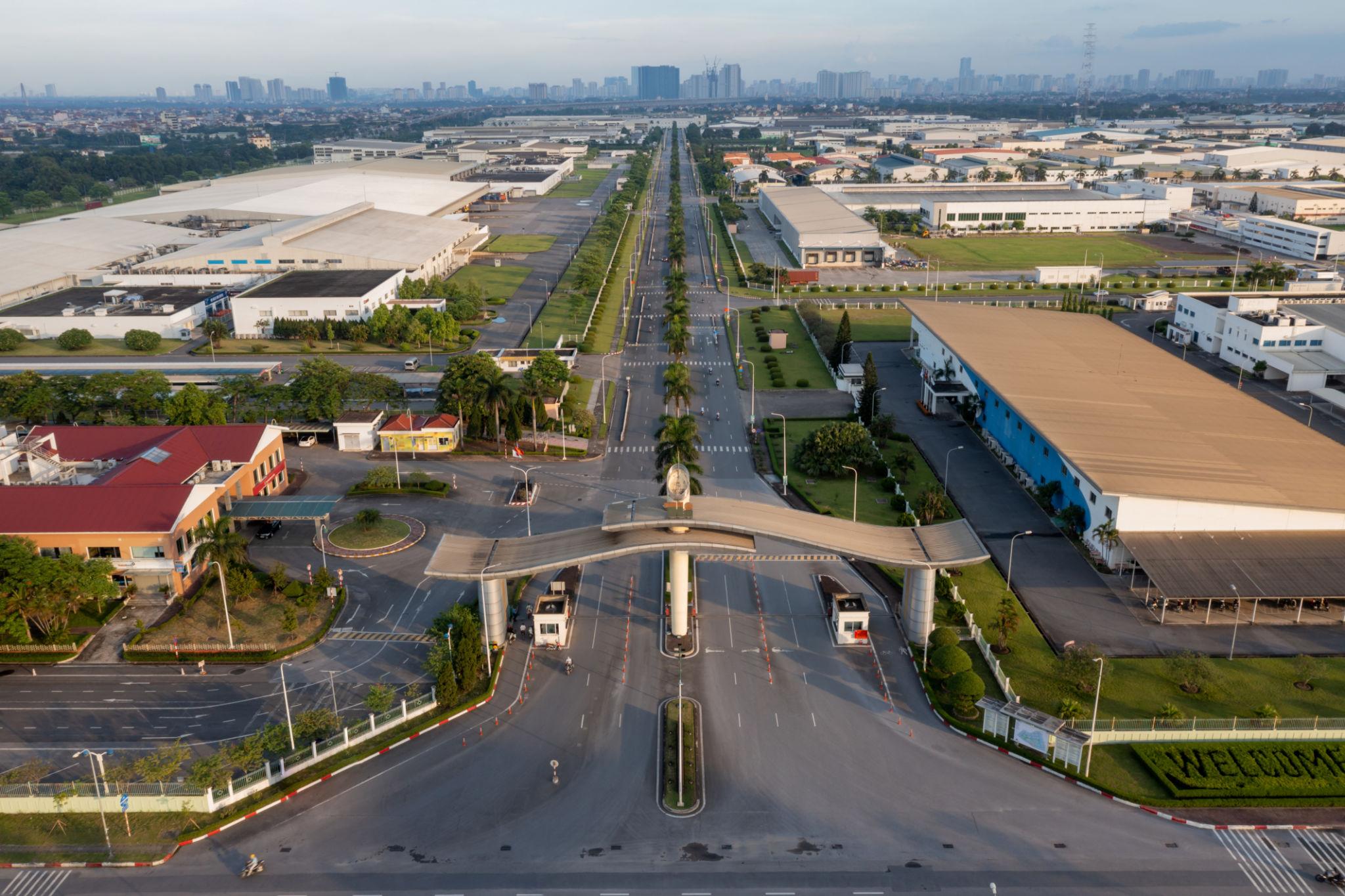
In the cost structure of a manufacturing enterprise in Vietnam, electricity is often not the largest expense on the financial report. However, it is a cost that tends to increase steadily, is difficult to control, and silently erodes profits over time.
Raw material prices can be negotiated. Labor costs can be optimized. Logistics can be restructured. But electricity — which powers the entire production line — depends on fluctuations in the energy market, pricing policies, and national supply infrastructure.
And when electricity costs rise, profit margins drop immediately.
Electricity – a “variable” that is increasingly hard to predict

Many Vietnamese enterprises are witnessing steadily increasing electricity bills year after year. In industries such as textiles, plastics, mechanical engineering, food processing, and electronics, electricity accounts for a significant proportion of product cost.
Just a 5–10% increase in electricity costs can seriously affect net profit—especially for outsourcing manufacturers with thin margins.
What is more concerning is that electricity does not only increase in price. It also fluctuates according to peak and off-peak hours, seasons, and overall system demand. This makes long-term financial planning more difficult.
In this context, the question is no longer “will electricity prices increase?”, but rather: how can businesses control this risk?
Controlling energy = controlling profit
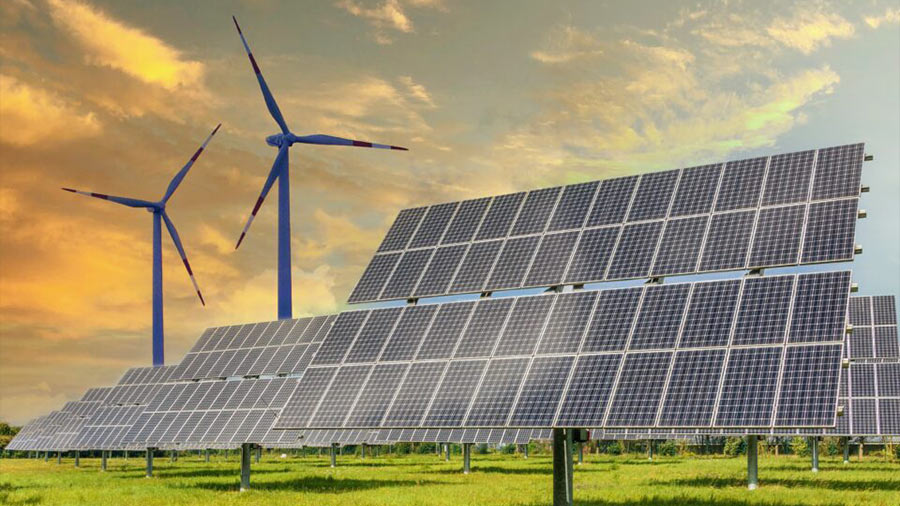
The growing trend in Vietnam is for enterprises to proactively generate part of their own energy instead of relying entirely on the national grid.
Rooftop solar power in industrial zones and factories is no longer just a “green image” solution. It is becoming a financial tool:
-
Reducing peak-hour electricity costs
-
Stabilizing long-term energy prices
-
Improving cash flow predictability
More importantly, the use of renewable energy helps reduce carbon emissions — a factor increasingly important to customers, investors, and regulators.
Here, the challenge is not just installing a system, but integrating a solution that fits each factory’s operational reality.
From electricity cost to Net Zero strategy
Net Zero does not start with a commitment statement. It starts with understanding how much energy is consumed, where, and when.
Most emissions in manufacturing come from electricity (Scope 2). Therefore, switching to renewable energy is the most practical and measurable step in reducing emissions.
In Vietnam, integrated solutions are helping businesses connect financial goals with sustainability goals. One of the companies pursuing this direction is ZeroC – Practical renewable energy solutions for industrial Net Zero.
ZeroC focuses on providing integrated solar and clean energy solutions for industrial zones, factories, and commercial buildings in Vietnam. The focus is not only on solar panel systems, but also on the ability to:
-
Analyze real electricity consumption models
-
Optimize installation capacity
-
Monitor and measure emission reduction efficiency
This is especially important for businesses that need transparent data for working with FDI partners or preparing for future ESG requirements.
Net Zero, therefore, is not a “nice-to-have” investment. It becomes part of a cost-control strategy and a competitiveness enhancement strategy.
Vietnam’s market is entering a phase of differentiation
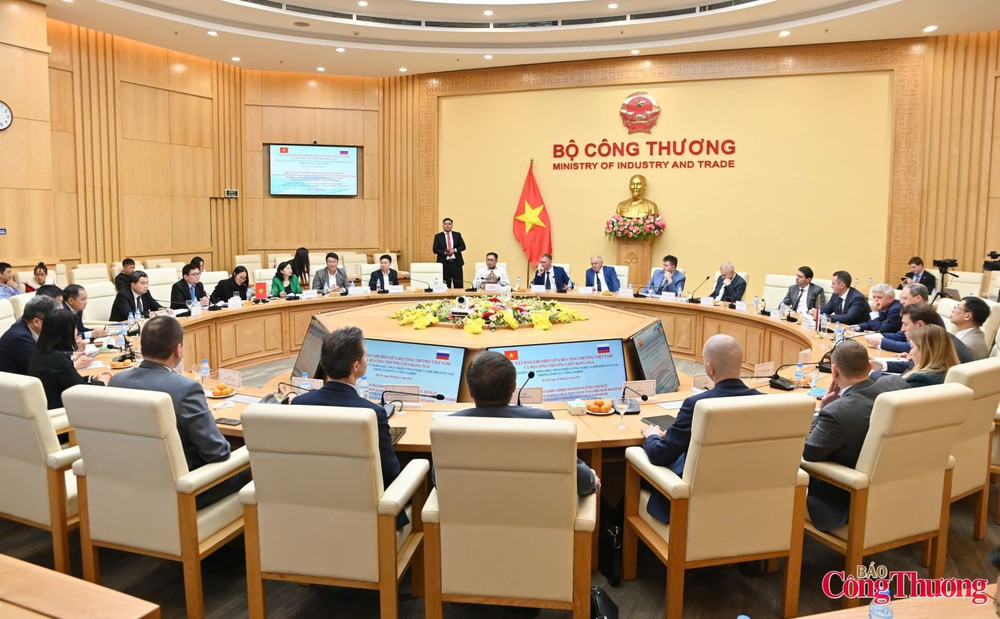
Over the next 5–10 years, Vietnam’s manufacturing market may clearly differentiate:
-
Businesses with strong energy control → stable profits, easier order acquisition, better access to capital.
-
Businesses fully dependent on grid electricity and without a transition strategy → margin erosion and higher competitive pressure.
Interestingly, energy transition is no longer just for large corporations. More SMEs in industrial zones are starting to consider solar power as part of their long-term financial planning.
Whoever controls energy will control profit.
Whoever controls emissions will control market position.
In a volatile economy, this is not just a strategic choice — it is a competitive advantage.
ZeroC Contact Information
Practical renewable energy solutions for industrial Net Zero
Website: https://zeroc.vn/
Address: 77 Street 10, Nam Long Residential Area, Tan Thuan Ward, Ho Chi Minh City, Vietnam
Customer service: +84 (0) 28 7778 6168 – Ext: 287